
Vacuum Pump Oil:
In the bustling industrial landscapes of India where precision and efficiency reign supreme, vacuum pump oil emerges as an unsung hero, underpinning the functionality of countless operations. This lubricant is not just any oil; it's a critical component designed to enhance the performance and longevity of vacuum pumps, a piece of equipment integral to various sectors including manufacturing, pharmaceuticals, and food processing. Its importance cannot be overstated, as it directly influences the vacuum pump's efficiency, reliability, and the quality of outcomes in processes where even the slightest contamination can spell disaster.
Navigating the vast market of vacuum pump oil in India, with its myriad brands and price points, can be daunting. This article aims to demystify the selection process, offering insights into the types of vacuum pump oil available, key considerations when choosing oil for vacuum pump, and tips on maintenance to ensure optimal performance. Furthermore, it delves into the cost benefits of investing in quality vacuum pump oil, common pitfalls to avoid, and the proper disposal techniques for used oil. This comprehensive guide seeks to equip readers with the knowledge to make informed decisions, ensuring their vacuum pumps operate at peak efficiency while bolstering their bottom line.
What is Vacuum Pump Oil?
Vacuum pump oil is a multifaceted component essential for the optimal functioning of vacuum pumps, which are pivotal in various industrial applications. This oil is not merely a lubricant for the internal parts but plays several critical roles in the vacuum creation process.
The Fourfold Function of Vacuum Pump Oil
- Sealing: Vacuum pump oil acts as a sealing oil, creating the necessary seal to achieve a deep vacuum, which is vital for the efficient operation of vacuum pumps.
- Capturing Contaminants: It plays a crucial role in capturing contaminants within the system, thereby maintaining the purity and effectiveness of the vacuum process.
- Lubrication: Besides sealing, vacuum pump oil provides lubrication to the moving parts, reducing friction and wear, which contributes to the longevity of the vacuum pump.
Factors Influencing Vacuum Pump Oil Performance
The performance of vacuum pump oil is influenced by several factors, including moisture, level of contamination, and the oil's quality. These elements directly affect how well the oil can perform its four primary functions, highlighting the importance of regularly monitoring the oil's condition .
Importance of Quality and Vapor Pressure
The quality of vacuum pump oil is paramount, with vapor pressure being a critical property to consider. The oil's vapor pressure determines the depth of vacuum achievable. High-quality oil with low vapor pressure can significantly enhance performance, simplify trapping, and reduce contamination risks. It's essential to select vacuum pump oil with the lowest possible vapor pressure to improve overall performance.
Why is Vacuum Pump Oil Important?
Vacuum pump oil is crucial for the efficient operation of vacuum pumps, serving multiple essential functions that directly impact the performance and longevity of the equipment. This oil is not just a lubricant; it plays a vital role in the overall functionality of vacuum pumping systems.
Impact on Maintenance and Costs
- Extended Service Intervals: High-quality vacuum pump oil can significantly extend the period between maintenance sessions by maintaining its performance over longer durations. This quality reduces the frequency of oil changes needed, thereby saving on maintenance costs .
- Reduced Wear and Tear: The lubrication and protective properties of premium vacuum pump oils minimize the wear on critical components. This reduction in wear helps avoid costly repairs and replacements, extending the pump's operational lifespan.
- Energy Efficiency: Superior quality vacuum pump oils are associated with lower energy consumption. By maintaining system efficiency, these oils help reduce the operational costs linked to energy usage.
Types of Vacuum Pump Oil
Mineral Oil
Mineral oil, often derived from crude oil, is a staple in the vacuum pump industry due to its robust compatibility with elastomers and strong resistance to hydrolysis. These oils are typically a mix of aromatic hydrocarbons, paraffin, and naphthene, with paraffin being the dominant component due to its high boiling point and excellent lubrication properties. Mineral oils are suitable for basic industrial applications, including the pumping of air and noble gases, and are favored for their cost-effectiveness and adequate performance in a range of conditions .
Synthetic Oil
Synthetic oils are engineered through chemical reactions to meet specific needs that mineral oils cannot fulfill. This category includes a variety of oils such as polyalphaolefin (PAO) oils, which are known for their uniform molecular structure and excellent thermal and chemical resistance. Synthetic oils generally offer better viscosity properties and are suitable for more demanding applications involving higher temperatures and aggressive chemicals. Their enhanced properties allow for extended oil change intervals, contributing to operational efficiency and cost savings.
PFPE Oil
Perfluoropolyether (PFPE) oils stand out for their exceptional thermal stability and chemical inertness, making them ideal for use in environments involving high temperatures and reactive substances. PFPE oils are non-flammable and do not decompose until temperatures exceed 290°C (554°F), ensuring safety and reliability in high-stress applications. These oils are particularly useful in pumping strongly oxidative substances like oxygen, ozone, or nitric oxides, and their stability makes them suitable for critical applications in various industries.
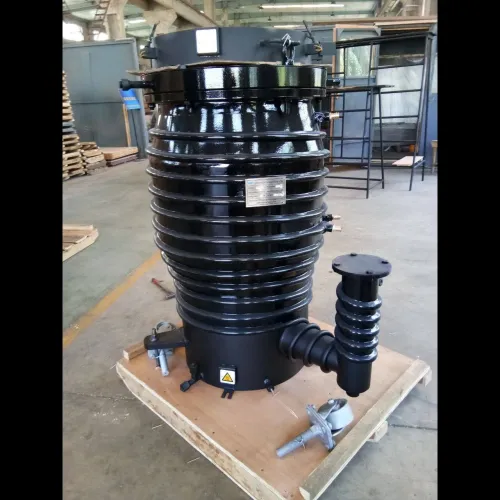
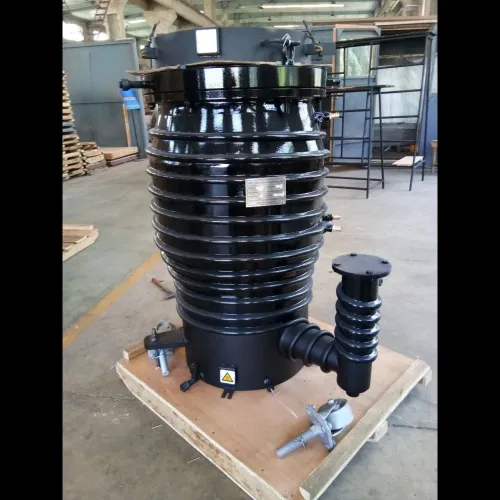
Diffusion Pump Oil
Diffusion pump oils are specifically formulated to achieve low vapor pressures and high thermal stability, essential for maintaining efficient vacuum levels and operational reliability. These oils typically exhibit high surface tension to minimize oil film creeping and are chemically inert, which prevents reactions with the pumped substances. The selection of diffusion pump oil is crucial as it directly impacts the pump's performance and longevity, making it vital to choose fluids that meet the specific criteria of the application.
Choosing the Right Vacuum Pump Oil
Factors to Consider
When selecting the right vacuum pump oil, several key factors must be considered to ensure optimal performance and longevity of the pump. These include:
- Vacuum Level and Pumping Speed: Different vacuum pumps operate at varying vacuum levels and speeds, which directly influence the type of oil needed.
- Application Impact: The specific application of the vacuum pump can affect its performance. For example, processes sensitive to contamination may require oils that minimize oil back streaming.
- Pump Impact on the Process: The choice of oil can significantly affect the process being conducted. For instance, certain oils can enhance the efficiency of the pump, thereby affecting the overall process output.
- Cost and Maintenance: The economic aspect of using specific oils, including initial costs and maintenance frequency, plays a crucial role in the selection process.
- Oil Viscosity: Viscosity is a critical factor as it affects the oil’s flow and the seal between components. Oils with appropriate viscosity levels maintain effective lubrication and sealing under varying temperatures.
- Volatility and Vapor Pressure: Oils with lower volatility and vapor pressure are preferred as they maintain consistency in performance by reducing the rate of evaporation.
- Additives: Certain additives enhance the oil's properties, such as corrosion resistance, anti-oxidation, and anti-foaming, which are crucial for maintaining the vacuum pump's efficiency.
Application Specific Oils
Different types of vacuum pumps require specific oils to cater to their unique needs:
- Oil Sealed Rotary Vane Pumps: Ideal for medium vacuum applications but may require oils that prevent back streaming if the process is contamination-sensitive.
- Scroll Pumps and Diaphragm Pumps: Suitable for applications demanding an oil-free environment. These pumps generally have lower pumping speeds and are sensitive to particulate generation from internal wear.
- Screw Pumps: These are oil-free pumps with high pumping speeds and are capable of handling challenging process applications without the risk of oil contamination.
- High Performance Oils: For applications involving high temperatures or reactive substances, synthetic oils like Perfluoropolyether (PFPE) are recommended due to their excellent thermal stability and chemical inertness.
The selection of the right vacuum pump oil is crucial not only for the efficiency of the pump but also for the integrity of the processes it supports. Each type of pump and application may require a different formulation of oil to meet specific operational demands.