New Delhi
08048046662
+919818085534

'high vacuum generation'

Items tagged with 'high vacuum generation'

68179d65be22ee500d53ff54 Card 2

product image
VACUUM PUMPS

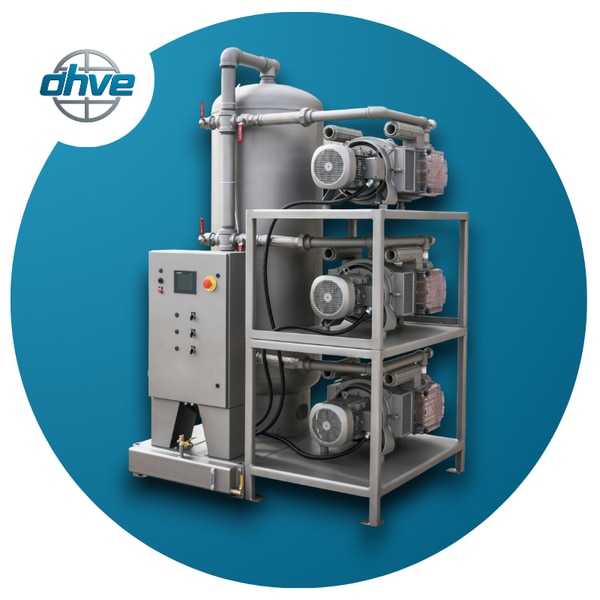
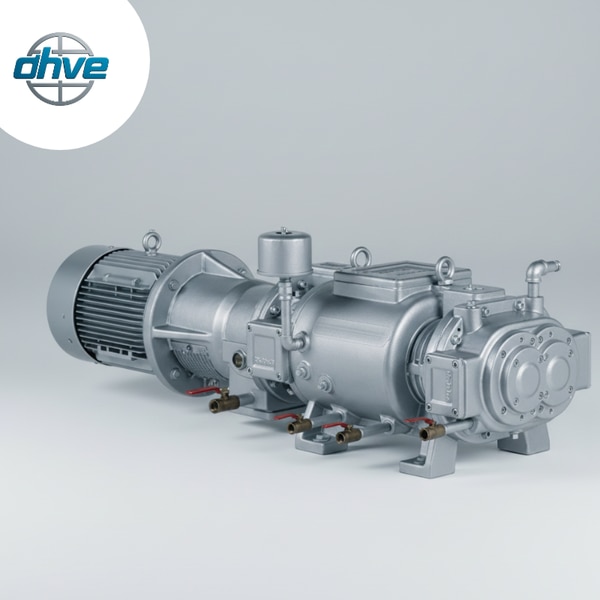
In today's high-stakes manufacturing and processing environments, achieving a truly oil-free, high-efficiency vacuum is non-negotiable. Traditional pumps often introduce the risk of contamination, high maintenance burdens, and poor energy performance. Dinesh High Vacuum Engineering (DHVE) is proud to present its next-generation line of Dry Screw Vacuum Pumps—the definitive solution for applications demanding purity, precision, and the lowest possible cost of ownership. This detailed guide explores the superior technology, advanced features, and material science that make DHVE dry screw pumps the industry's gold standard. ⚙️ Technical Mastery: The Science Behind DHVE Dry Screw Pumps A dry screw pump is a masterpiece of precision engineering. Unlike wet pumps, which rely on lubricating fluids, the DHVE dry screw mechanism achieves its vacuum purely through mechanical action in an oil-free environment. The Core Mechanism: Non-Contact Compression The heart of the pump consists of two parallel, precision-machined helical screw rotors that rotate in perfect synchronization. Axial Gas Transport: As the rotors spin in opposite directions, the threads intermesh without making physical contact. This action traps process gas at the inlet and progressively transports it along the axis of the screws toward the exhaust. Internal Compression (Variable Pitch): DHVE models utilize a variable pitch screw design. This advanced geometry features a decreasing pitch (thread spacing) toward the discharge end. This progressive reduction in volume creates internal compression, which is a crucial feature: It minimizes the pressure difference between the last compression chamber and the exhaust, significantly reducing backflow leakage (or 'slip losses'). This results in higher volumetric efficiency and lower power consumption compared to constant-pitch designs. Gap Sealing: The vacuum is maintained by extremely tight, micron-level clearances between the rotors and the casing, and between the rotors themselves. This non-contact principle eliminates wear, ensures process purity, and is the foundation for the pump’s exceptional reliability. 🛡️ Corrosion & Contaminant Handling: Built for Harsh Environments The dry screw design inherently handles condensable vapors and particulates better than oil-sealed pumps. However, for the aggressive chemical and pharmaceutical sectors, DHVE offers pumps built with specialized material science to ensure longevity and zero failure. Advanced Materials for Chemical Resistance For applications involving highly corrosive gases like concentrated acids, solvents, and chlorides, Dinesh High Vacuum Engineering utilizes premium materials and coatings: Stainless Steel Rotors (316L and Duplex): For mild to moderately corrosive process streams, 316L offers excellent general resistance. For extreme environments, Duplex stainless steel (UNS S32205 / S32750) is utilized, providing superior resistance to pitting, crevice corrosion, and stress cracking, especially against chlorides and organic acids. Anti-Corrosion Coatings: The internal surfaces of the pump casing and rotors are often protected with thick, robust coatings such as Nickel Plating (ENP) or PEEK (Polyether Ether Ketone).14 These barrier layers prevent direct contact between the metal substrate and the aggressive process media. Gas Ballast System: Every DHVE dry screw pump is equipped with a gas ballast port. Introducing a small, controlled amount of inert gas (like Nitrogen) heats the pump and lowers the partial pressure of condensable vapors, ensuring they remain in the gaseous state and are safely expelled, preventing liquid condensation and subsequent corrosion. 🌐 Applications & Industrial Purity The unique combination of oil-free operation, VSD energy efficiency, and chemical resistance makes the DHVE Dry Screw Vacuum Pump the definitive choice across critical industries: Pharmaceuticals & Lyophilization: Guarantees absolute product purity, essential for drug safety and solvent recovery processes like freeze drying. Semiconductor & Electronics: Meets the stringent demands for ultra-clean vacuum required in PVD/CVD coating, etching, and load lock chambers. Chemical Processing: Reliable performance in challenging duties such as vacuum distillation, solvent stripping, and reactor service, backed by our corrosion-resistant material options. Ready to Optimize Your Vacuum Process? The decision to invest in a Dry Screw Vacuum Pump is an investment in process reliability, energy efficiency, and product purity. By choosing Dinesh High Vacuum Engineering (DHVE), you gain access to cutting-edge technology, expert application support, and a pumping solution engineered for decades of low-maintenance operation. ➡️ Contact Dinesh High Vacuum Engineering today to speak with one of our vacuum specialists and receive a quote tailored to your exact industrial requirements!

68179d65be22ee500d53ff54 Card 2

product image
VACUUM PUMPS

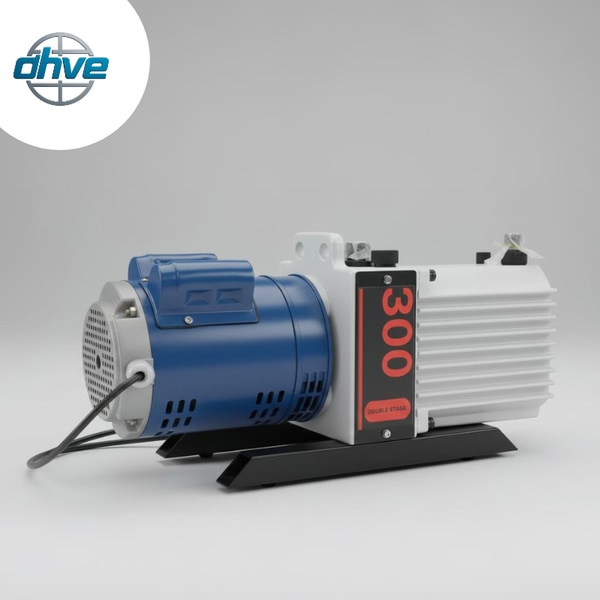
PERFORMANCE YOU CAN TRUST ON The DHVE series is the ultimate range of best oil sealed rotary vane pumps- The result of more than 35 years’ experience and a clean sheet design programmer, these rugged vacuum pumps offer an excellent ultimate vacuum with good pumping speeds as well as superior vapor handling capabilities and quiet operation. The firm offers Rotary vane vacuum pumps are designed with decade of experience for excellent performance and modest maintenance. They are widely used for Laboratory distillation, Screen Printing, Bottle Filling Pharmaceuticals, Food beverages industries with proven performance. These pumps are available in various models such as V-Belt Driven, Direct Driven and Flange type. Specialist in compact design is its success for application in Offset Printing, Cartooning, Powder filling, Labelling, Packaging Industries. Versatile vacuum pumps with unique features successfully proved on Semi / High speed automatic Capsule filling machines / Filtration / transferring / Holding / Conveying & Packaging machines. Applications- You can be assured DHVE has the application expertise and the pumps or integrated system solution to meet your needs. Mass spectrometry- • GCMS, LCMS, ICPMS, MALDI, RGA, surface science, leak detectors High energy physics- • Beam lines, accelerators, mobile pump carts, turbomolecular pump backing, laser evacuation Research and development- • Chamber evacuation, coating systems, turbomolecular pump backing Industrial- • Glove boxes, coating systems, freeze drying, gas bottle filling/emptying, refrigeration system manufacture, degassing/curing (oil, epoxy resin) Chemical- • Gel dryers, glove boxes, rotary evaporators, centrifuges, distillation/extraction/filtration

68179d65be22ee500d53ff54 Card 2

product image
VACUUM COATING PLANT

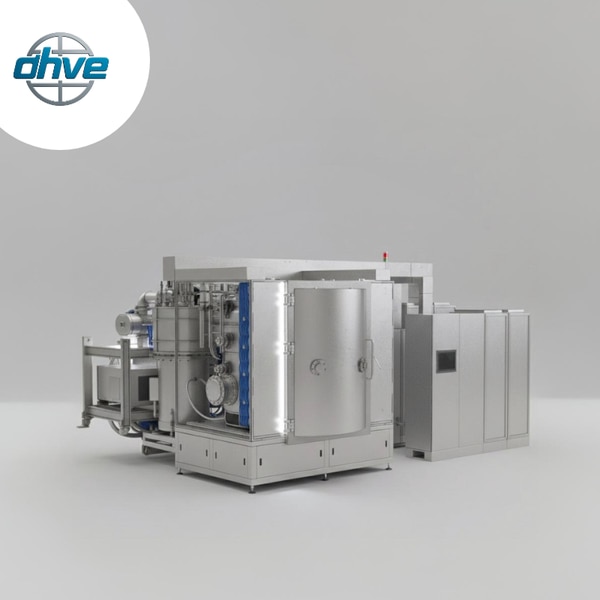
We are in the business of Vacuum Science and Technology for more than 40 years. We manufacture world class High Vacuum Metallizing Plants / Coating systems in different configurations like: - Horizontal Coating Plants - Vertical Double Door Coating Plants - Vertical Single Door Coating Plants - Box Type or Sheet Glass Coating Plants Metalizers for plastic, Ceramics and metals Gift items Coatings of diameter 54" X 52 Depth horizontal or customized. Coating units for statues, ladies sandal heals, fan monograms, vehicle monograms, wall Clock/Photo frame metallic coating plants. Gem/glass bids coating units. Indian and Imported Metalizing Plants

68179d65be22ee500d53ff54 Card 2

product image
VACUUM PUMP OIL

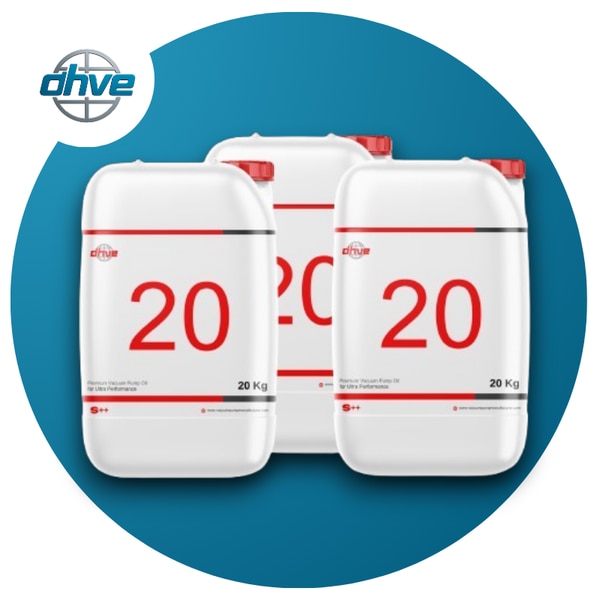
Banking on the ability and knowledge of skilled team of workers, we are engaged in providing a quality rich quality of Vacuum Oils to meet various requirements of our clientele. These products are accessible in market in dissimilar packaging options. In addition to this, we assure optimum quality and properly checked and safely delivered at reasonable prices. Features & Benefits of Rotary Vacuum Pump Oil : Thermal Stability Provides excellent lubrication to the pump Low vapor pressure High viscosity index Excellent Vacuum Level Suitable for rotary/mechanical vacuum pumps of all makes and models around the world.

68179d65be22ee500d53ff54 Card 2

product image
VACUUM GAUGES

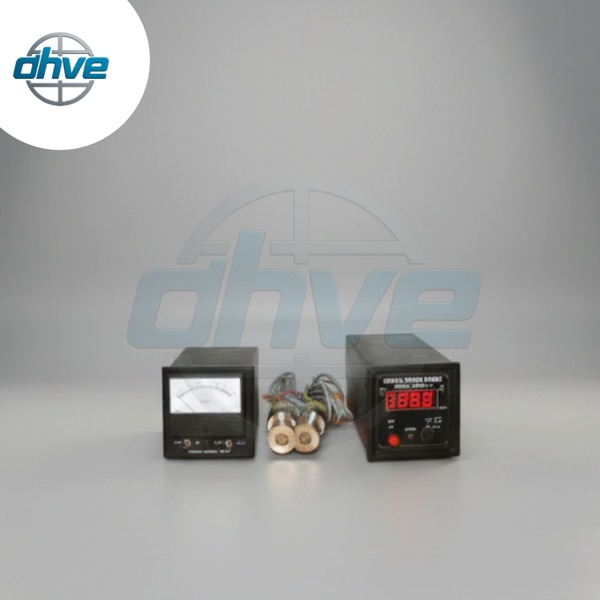
For accurate measurement of pressure in the rough to high vacuum range 10^{-3} to 10^1 mbar), the Pirani Gauge is an industry standard. This thermal conductivity gauge provides reliable, cost-effective, and robust pressure monitoring, making it indispensable for controlling vacuum processes and protecting high vacuum equipment. Dinesh High Vacuum Engineering (DHVE) supplies a versatile range of Pirani Gauges, offering both the simplicity and durability of Analog units and the high precision and integration features of Digital sensors, ensuring you have the right monitoring tool for every application. I. ⚙️ The Pirani Principle: Measuring Pressure via Thermal Conductivity The Pirani Gauge operates based on the principle that the thermal conductivity of gas changes proportionally with its pressure in the rough to medium vacuum range. How It Works Heated Filament: A fine metal filament (often made of platinum or tungsten) is suspended within a sensor cell exposed to the vacuum environment. Constant Heating: An electrical current is passed through the filament, heating it to a temperature significantly higher than the ambient temperature. Heat Loss: Heat is lost from the filament primarily through two mechanisms: Radiation: This heat loss to the chamber walls is relatively constant. Thermal Conduction: This heat loss to the surrounding gas molecules is pressure dependent. Pressure Measurement: As the pressure decreases (i.e., the vacuum improves), fewer gas molecules are present to carry heat away from the filament. This causes the filament's temperature to increase, which, in turn, causes its electrical resistance to increase. The gauge circuitry measures this change in resistance and converts it into a pressure reading. Note: Pirani gauges are gas-type dependent. The reading is accurate for the calibration gas (usually Nitrogen or Air). If measuring other gases (e.g., Helium, Argon), conversion factors must be applied, as each gas has a unique thermal conductivity. II. 📊 The Legacy: Analog Pirani Gauges (DHVE Classic Series) Analog Pirani Gauges are known for their simplicity, reliability, and cost-effectiveness. They utilize basic bridge circuitry and rely on a physical meter movement to display the pressure. They are often chosen for applications where a simple, quick visual confirmation of vacuum status is required. Key Features of DHVE Analog Pirani Gauges: Simple, Durable Operation: They are highly reliable with minimal complex electronics, making them durable for continuous industrial use. Visual Indication: The needle movement on the meter provides an intuitive, quick check of vacuum status (e.g., 'Good Vacuum' or 'Rough Vacuum'). Cost Efficiency: They offer the most economical entry point for accurate measurement in the 10^{-3} mbar range. Output: They typically provide a basic electrical output (often a 0-10V signal) proportional to the pressure, easily integrated with older control systems or simple relays. III. 💻 The Future: Digital Pirani Gauges (DHVE Smart Sensors) Digital Pirani Gauges integrate microcontrollers and sophisticated signal conditioning directly into the sensor head, offering greater precision, stability, and connectivity than their analog counterparts. They are essential for automated and data-intensive modern vacuum systems. Key Features of DHVE Digital Pirani Gauges: Enhanced Accuracy and Stability: Digital linearization and precise temperature compensation circuitry provide a highly stable and accurate reading across the entire measuring range. Microprocessor Control: Allows for advanced functions like automatic zero adjustment and endpoint calibration for increased precision and ease of use in the field. Digital Communication: Equipped with digital interfaces (e.g., RS-232, RS-485, or fieldbus protocols), enabling seamless integration into PLC-controlled systems, remote monitoring, and complex data logging. Integrated Display and Relays: Features integrated digital LED or LCD screens for direct pressure reading at the point of use. Many include internal set-point relays, enabling the gauge to automatically trigger system events (e.g., turning on a Turbomolecular Pump or opening a valve) when a specific pressure threshold is reached. Combined Sensing (Optional): DHVE offers advanced digital units that combine the Pirani sensor with a thermal-coupled MEMS sensor for faster response and improved linearity near atmospheric pressure. IV. 🌍 Applications Across Industries Both analog and digital Pirani Gauges are essential for many processes monitored by Dinesh High Vacuum Engineering clients. The choice between them depends on the need for simple indication versus automation and data integration: Fore-Vacuum Monitoring: Monitoring the inlet pressure to a Turbomolecular Pump or Roots Blower is crucial to ensure the backing pump reaches the safe startup pressure, often best handled by the reliable switching of Digital gauges. Vacuum Furnace Control: Used to monitor pump-down progress in the rough and medium vacuum stages. Freeze Drying (Lyophilization): Digital gauges are preferred for precise monitoring and data logging of chamber pressure during the critical drying cycles to ensure product quality. General Lab Vacuum: Analog gauges offer a simple, visual, and cost-effective pressure check for rotary evaporators or desiccators, while Digital units are integrated into analytical instrumentation. PVD/CVD Coating Systems: Used to monitor pressure during gas-backfilling and process transitions in the medium vacuum range. Choose Precision and Reliability with DHVE Whether your operation requires the fundamental reliability of an Analog Pirani Gauge or the advanced integration and precision of a Digital Pirani Gauge, Dinesh High Vacuum Engineering (DHVE) provides quality, calibrated instruments engineered for accuracy and longevity. ➡️ Optimize your vacuum system control. Contact Dinesh High Vacuum Engineering today to select the ideal Pirani Gauge—Analog or Digital—for your pressure monitoring needs and system integration requirements!

68179d65be22ee500d53ff54 Card 2

product image
VACUUM FURNACE

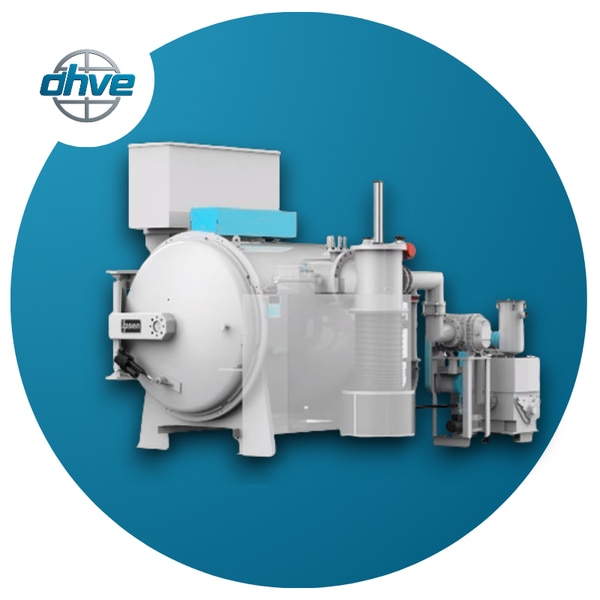
The successful outcome of any brazing operation is that the mating surfaces of the joint are substantially free from oxide films when brazing alloy melts and flows. Vacuum brazing is no different in this respect to any other brazing procedure; oxide-film removal has to be achieved before the production of a satisfactory joint can be achieved Vacuum brazing is not only efficient, cost effective and environmentally friendly – working in a vacuum also allows brazing without aggressive and environmentally damaging fluxing agents. It also makes it possible to do without complex reworking or finishing of the treated components. The lack of flux inclusions in the base material improves its mechanical stability and corrosion resistance, thereby improving its joint strength and the durability of the treated components. Vacuum brazing with DHVE furnace technology is simply perfect. The advantages of high temperature brazing in fine or high vacuum make it predestined for use in producing joints that must stand up to intense thermal conditions and heavy mechanical loads. The use of vacuum brazed components has become well established in safety-critical aerospace technologies. Whether you are talking about jet engine components and control systems, turbine blades, heat ex changers and heating coils, honeycombs and fasteners, or medical implants and instruments, the list of products that achieve their incredible performance characteristics thanks to vacuum processing is extensive. DHVE has been in the field of vacuum science and technology for over 5 decades offering hardware, measuring instrument, controllers to vacuum equipment with process solutions in vacuum technology with indigenous, but match to the international standards from raw material selection through manufacturing process to demonstrating it for repeatable quality results. The recently made vacuum brazing furnace is a horizontal front loading high vacuum heat treatment with external gas quench furnace is intended

68179d65be22ee500d53ff54 Card 2

product image
VACUUM SPUTTERING PLANT

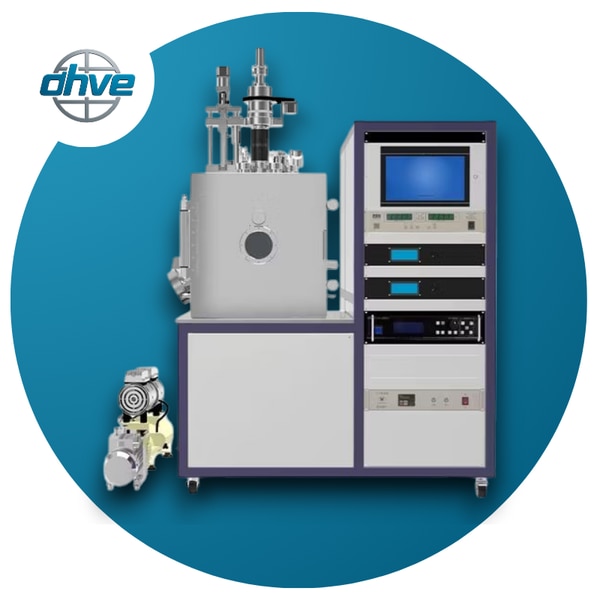
A high voltage is applied and the gas is introduced. The positive argon ions go through an acceleration process on the negative cathode and then expel the atoms of the metal plate (evaporating material), which then fall onto the substrates already in the chamber and condense the desired metal coating onto the substrate. The impact of the atoms on the evaporating material produces “Sputtering”, as a result of the acceleration given by the succeeded particles. Unlike many other vacuum deposition techniques, there is no fusion of material, therefore all the metals and alloys can be deposited with high efficiency and control. If a reactive gas such as nitrogen or acetylene is introduced into the chamber together with the process gas, the nitride which reacts to the carbide, develops on the substrates. Different cathodes made of different materials can be inserted in a vacuum coating system to produce multiple layer systems. It is also possible to modify the combination of the single layers by varying the combination of the reactive gases.

68179d65be22ee500d53ff54 Card 2

product image
VACUUM PUMPS

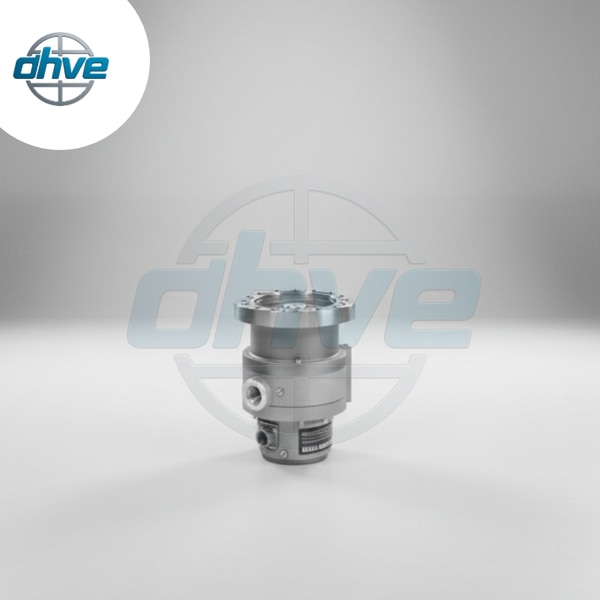
For applications that demand the absolute highest standards of vacuum purity, stability, and speed, the Turbomolecular Pump (TMP) is the undisputed technology of choice. Operating in the high vacuum (HV) and ultra-high vacuum (UHV) regimes (down to $10^{-11} mbar), TMPs are the essential workhorses of the semiconductor, research, and analytical science industries. Dinesh High Vacuum Engineering (DHVE) delivers state-of-the-art Turbomolecular Pumps, combining high rotational speeds, advanced bearing technologies, and expert engineering to ensure a hydrocarbon-free environment for your most sensitive processes. I. ⚙️ The Core Principle: Momentum Transfer in Molecular Flow The Turbomolecular Pump functions as a highly specialized, multi-stage momentum transfer pump. It works on the principle that gas molecules, under the conditions of molecular flow, can be given momentum in a preferred direction by repeated collisions with a fast-moving solid surface. How the TMP Achieves UHV Molecular Flow: TMPs are effective only when the system is already at a low enough pressure (typically below $10^{-3} mbar) where the gas is in the molecular flow regime. In this regime, the mean free path of gas molecules is greater than the distance between the pump's internal surfaces. This means molecules collide primarily with the pump surfaces rather than with each other. Rotor and Stator Blades: The pump consists of multiple alternating stages of rapidly rotating rotor blades and stationary stator blades (or discs) that resemble a jet engine turbine. Rotor Action: The rotor blades, spinning at extremely high speeds (often 20,000 to 90,000 RPM), 'hit' gas molecules, imparting a downward momentum towards the pump's exhaust. The resulting velocity of the molecule is the sum of its thermal velocity and the rotor's blade velocity. Stator Action: The fixed stator blades act as baffles, preventing the now-accelerated molecules from moving back toward the inlet while directing them into the next stage of the rotor. Compression: This repetitive collision process, across many stages, successively compresses the gas until it reaches a high enough pressure to be efficiently removed by a backing pump (fore-vacuum pump), typically a dry screw or rotary vane pump. II. 💡 Modern Turbopump Design: Hybrid and Wide-Range Models Modern TMPs often feature a hybrid design to enhance performance across the pump's pressure range: Turbine Stages (Inlet): These stages, with finely pitched blades, are optimized for maximum pumping speed at very low pressure (molecular flow). Molecular Drag Stages (Exhaust): Located near the backing pump, these stages (e.g., Holweck or Siegbahn mechanisms) use rotating drums or discs with helical channels to actively drag gas molecules. They are optimized for higher compression ratios at higher pressures, which dramatically improves the pump's ability to handle the light gases (like Hydrogen and Helium) and allows for a smaller, more economical backing pump. DHVE specializes in Wide-Range TMPs that integrate these drag stages, offering a superior compression ratio, especially for light gases which often leak back through traditional pure turbine designs. IV. 🌍 Essential Applications for DHVE Turbomolecular Pumps The superior ultimate vacuum, clean operation, and high pumping speed make TMPs from Dinesh High Vacuum Engineering indispensable in the following critical fields: Semiconductor Manufacturing: Essential for demanding processes like PVD (Physical Vapor Deposition), CVD (Chemical Vapor Deposition), and ion implantation where even trace hydrocarbon contamination can destroy microchips. Analytical Instruments: Used in Mass Spectrometry (MS), Gas Chromatography-Mass Spectrometry (GC-MS), and Electron Microscopy (SEM/TEM) to create the ultra-clean vacuum required for particle beam generation and precision analysis. Research & Development: Critical for high-energy physics accelerators, space simulation chambers, and surface science experiments that necessitate extreme vacuum conditions (UHV). Coating Industry: Key for achieving high-quality, defect-free optical and thin-film coatings. Partner with Dinesh High Vacuum Engineering For over 30 years, Dinesh High Vacuum Engineering (DHVE) has been a trusted manufacturer in the high-vacuum technology space. Our Turbomolecular Pumps are engineered for demanding industrial uptime, minimal vibration, and unparalleled purity, ensuring reliable performance in your most sensitive vacuum processes. ➡️ Contact Dinesh High Vacuum Engineering today to discuss your specific UHV requirements and find the perfect Turbomolecular Pump solution for your application.

Still searching for
high vacuum generation?